
Chris Kulbaba

TL;DR: Here’s What I’m Seeing
You’re standing at a choice. And I want to reflect back what I’m noticing about that choice clearly, and why a content operating system is your only choice for creating brand entity.
A content operating system is different from a tool. Not better—different. And that distinction changes everything about how you think about building consistency.
Here’s what I’m tracking: most teams start with tools. They think better software will solve the problem. Better platforms, better guidelines, better training. But the problem was never the tools. The problem is that someone was allowed to say, “But what if we do it differently just this once?” And once that happens, once that exception gets made, the system starts to fail.
A content operating system doesn’t give you that choice. It holds the line. It enforces rules the same way every single time, regardless of how reasonable the request sounds. That feels harsh at first. But here’s what I’ve learned: that refusal is exactly what creates consistency.
This costs you flexibility. Speed in the moment. The feeling of having someone in your corner who’ll bend when you need them to. What you gain instead is consistency that compounds over time. After 12 months, you realize consistency has become an asset. After 24 months, you realize you can’t leave without losing accumulated value because the system’s too smart about your brand.
Here’s the core thing to understand: only a system can guarantee consistency. A person can promise it. A person can commit deeply to it. A person will still eventually make an exception when pressure builds. A system won’t. That’s the difference. That’s why infrastructure has to exist and speak first.
You hear from a content operating system before you hear from me or Adam or Chris because only infrastructure can actually guarantee what humans can only promise.
You’re Trying to Build Something That Lasts. Let Me Reflect Back What Content Operating Systems Do.
I’ve worked with a lot of teams trying to solve the content consistency problem, trying to use fragmented tools instead of a content operating system. And I notice something real: you already know this matters. You wouldn’t be here if you didn’t.
But here’s what I’m tracking: you’re caught between two things. On one hand, you want your brand to sound like itself—recognizable, consistent, trustworthy. On the other hand, you’re running a real business with real people, and it feels impossible to enforce that consistency without being rigid. Without becoming the person who says no to everything.
I get that tension. It’s real.
Here’s what I’ve learned from watching teams navigate this: the ones who actually build something that compounds aren’t trying to force consistency through willpower. They’re not relying on having the right people or the best guidelines. They’re building a content operating system—infrastructure that makes consistency the default, not the exception.
Let’s reflect back on what you’re actually trying to do. You’re not just looking for a tool. Tools are everywhere. Tools help you write faster, edit cleaner, publish smoother. Tools adapt to what you need at the moment. And honestly? There’s nothing wrong with that. Tools have their place.
But what you’re actually building for is different. You’re building for the future. You’re building for a brand that stays recognizable 18 months from now, not just this quarter. You’re building so that your team can onboard new writers without having to re-explain your voice every time. You’re building so that strategic decisions don’t reset every quarter—they compound.
That’s not a tool. That’s a content operating system.
And here’s why I’m bringing this up: understanding the difference changes what you need to invest in. A tool serves you. A content operating system requires you to serve it. Most teams want the first thing. Some teams need the second.
The question I’d love to explore with you is: which one are you actually trying to build?
Content Operating System – How This Actually Works
Here’s what I’ve observed working with teams that have built real consistency: they didn’t get there by trying harder. They got there by building infrastructure.
Let me break down what I mean. A tool responds to what you ask. A content operating system enforces what you agreed to. That’s a fundamental difference.
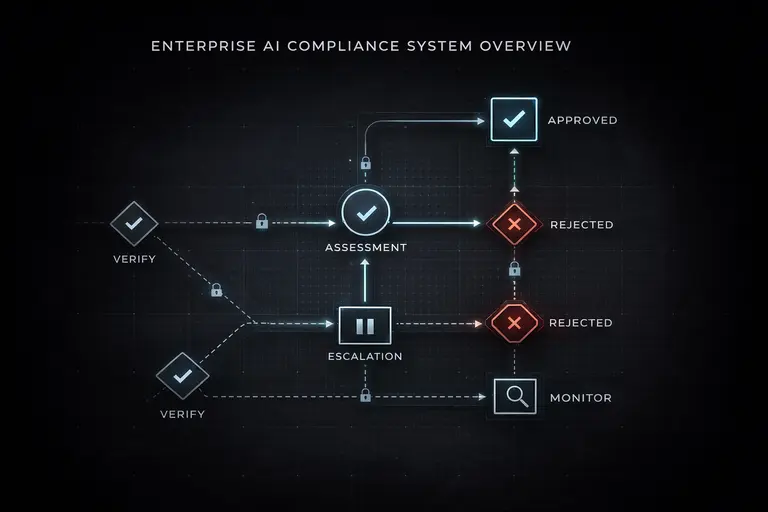
A tool is flexible. It bends. When you ask it to do something outside the normal flow, it says yes. A content operating system has boundaries. It says no. And that no—that’s not a limitation. That’s actually the feature.
I know that sounds harsh. And I get why your first instinct might be to push back on that. Nobody wants to feel constrained. But here’s what I’ve learned: the constraint is where the value lives.
Think about it this way. A content tool helps you write faster, edit faster, publish faster. You stay in control. When you want to skip a step, you skip it. When you want to change the process, you change it. The tool serves you. And that’s useful. But it’s not what creates consistency.
A content operating system is inverted. You’re not in control—the system is. And I know that feels wrong at first. But here’s why it actually works: because the system enforces the rules you set, your voice stays consistent. Because your voice stays consistent, your brand becomes recognizable. Because your brand becomes recognizable, your position in the market compounds. You stop competing on volume and start competing on clarity.
That compounding only happens if you refuse the exceptions. And here’s what I’m noticing: most teams can’t refuse the exceptions on their own. Willpower fails. Discipline fades. That’s not a character flaw. That’s just human. Which is why you need a content operating system—something that refuses for you.
What I want to invite you to think about: what becomes possible if consistency isn’t dependent on your team saying no? What if the system just doesn’t allow exceptions?
Here’s what I’ve seen happen. A tool peaks in value when it’s new, then it plateaus. A content operating system starts slow—it feels restrictive at first. But over time, it gets smarter. By month three, you notice decisions get cheaper to make because the system remembers your prior decisions. By month six, you’re not working harder. The system is working more. By year two, consistency has become your competitive advantage.
Most teams want the moment. Some teams want the future. Which one are you actually trying to build?
| What Actually Matters | How Tools Actually Work | How Content Operating Systems Work |
| When You Need Flexibility | Bends. Adapts. Makes exceptions feel reasonable. | Holds the line. Says no. Doesn’t negotiate. |
| Consistency Over Time | Depends entirely on who’s using it. Your discipline. Your willpower. | Doesn’t depend on anyone. The system enforces it regardless of pressure. |
| When Things Start to Break | Fails slowly. So slowly you don’t notice until drift’s already happened. By then it’s too late. | Fails loudly. Visibly. You know immediately when someone tries to break the rules. |
| If You Leave | You move to the next tool. No big deal. You start over. | You lose everything. The memory. The accumulated decisions. The context that compounds value. |
| The Value Trajectory | Peaks when it’s new. Then plateaus. Then slowly becomes outdated. Then you replace it. | Starts slow. Gets more valuable every month. By year two, irreplaceable because the system’s too smart about your brand. |
| What Gets Promised | “We’ll make your work easier. Faster. Simpler. More convenient.” | “We’ll prevent things from breaking. And if they try to break, we’ll stop it before it happens.” |
| What You Actually Feel | Supported in the moment. Flexible. Like you’ve got options. And then frustrated when you realize nothing’s actually consistent. | Constrained. Like the system’s pushing back. And then relieved when you realize that constraint is exactly what keeps you from drifting. |
I want to be honest with you: this choice isn’t about whether one is objectively better. It’s about what you’re actually trying to build. If you need flexibility, you need a tool. If you need consistency, you need a content operating system. You can’t actually have both.
What You Know About Content Operating Systems and Tools
I’m guessing you’ve already experienced what happens when flexibility becomes the default. I’m guessing you’ve watched your brand voice shift over time—not dramatically, but noticeably. You’ve probably noticed new writers interpreting your voice differently than existing writers. You’ve maybe realized that what you thought was locked in as “your voice” is actually more of a suggestion.
Here’s what I’ve observed in every team I’ve worked with: the drift doesn’t come from not caring. It comes from making exceptions. One piece of content sounds different. It performs fine—or at least, it doesn’t perform worse. And boom. Precedent is set. The next request gets easier. “We already bent the rule once. Why not again?”
After four or five exceptions, your voice has drifted so far that nobody can tell what the actual rule even is anymore. New writers look at the existing content and see chaos. Existing writers defend their choices by saying, “But look at what was already done.” And suddenly the consistency you built becomes a suggestion instead of a system.
That’s when you lose it.
Here’s what I want to reflect back to you: you know this already. You can feel it. The question isn’t whether drift happens. The question is whether you’re willing to build something that prevents it.
And that’s a real question. Because preventing drift means refusing exceptions. It means saying no to requests that sound reasonable. It means choosing consistency over flexibility. It means building a content operating system instead of using a tool.
That’s harder than it sounds. But here’s what I’m noticing: it’s the only thing that actually works.

So Here’s What I Want to Invite You to Think About
If you were to choose to build a content operating system instead of using a tool—if you were willing to make that trade—what would actually shift?
What would become possible if your voice stayed consistent across every writer? What if your strategic decisions actually persisted instead of resetting? What if new team members could onboard in a quarter instead of six months because the system held the context?
I’m not asking you to decide right now. I’m inviting you to sit with that question. Because here’s what I’ve learned: the teams that actually build something that compounds are the ones who stop trying to force consistency through discipline and start building systems that enforce it.
A content operating system doesn’t judge you for wanting exceptions. It just doesn’t give them to you. And that refusal—that’s actually the gift.
Here’s What Building a Content Operating System Actually Costs You
I want to be honest with you about something. Building a content operating system requires letting go of flexibility. And that’s real. That’s worth acknowledging.
You’re going to want a content operating system to make exceptions. I’ve seen this with every team I’ve worked with. Count on it happening.
Your CEO will want one post that’s “slightly warmer for this executive announcement.” Your team will ask for one campaign that bends the voice rules “just a little for our anniversary.” A client will request one piece that “sounds different for this audience.” Those requests are coming. They’re going to sound reasonable. And every one of them will test whether you actually want consistency or just the idea of it.
That’s the moment the content operating system gets tested. That’s when you’ll feel the constraint most acutely.
Every request to bend the rules comes framed the same way: “Just this once.” And I get why that feels reasonable. The request probably is reasonable on its own. The problem is what happens next. Precedent gets established. The next exception becomes easier to justify. “We already did it once.” After four or five exceptions, the system is gone. The voice drifts. Writers start guessing. New content contradicts old content. And suddenly the consistency you built becomes a suggestion.
That’s when you lose it.
By the time drift becomes visible—and it will be—the cost is already sunk. The only fix is rebuilding the entire history of content. You’re rewriting everything that drifted. That’s not one extra round of edits. That’s total reconstruction of your entire content library. And that’s 10 times more expensive than preventing the drift in the first place.
This is why a content operating system refuses exceptions. Not because it’s dogmatic. But because I’ve watched every consistency system that’s failed, and they’ve all failed at that exact moment: when someone was allowed to make “just this once” exceptions.
Here’s what I want you to know: consistency isn’t achieved through effort. It’s achieved through enforcement. And a content operating system is what enforces it.
Now, here’s what you need to understand about what this actually costs you. You lose flexibility. You lose the ability to adapt quickly to every request that sounds important in the moment. You lose the feeling of having someone in your corner who’ll bend when you need them to. That’s real. That trade-off is real.
What you gain instead is consistency that compounds. You gain structure that persists. You gain authority in your market that grows with time.
But here’s the thing: the cost isn’t just about flexibility. It’s about how this changes your team’s relationship with governance. A content operating system requires commitment. Not effort. Not good intentions. Actual commitment. You define voice rules, and then when pressure builds, you can’t quietly ignore them. When the system doesn’t give you exceptions, that’s not punishment. That’s the system working exactly as designed.
I want to be transparent about something: this is harder than trying to build consistency through willpower. It feels restrictive at first. Your team will probably push back. And I want you to be prepared for that.
But here’s what I’ve learned: the teams that actually make this work are the ones who understand why the constraint matters. They stop seeing the refusal as a limitation and start seeing it as protection. The content operating system isn’t saying no to be rigid. It’s saying no to prevent drift. And that distinction changes everything.
What Compounds When You Stop Resetting
I want to show you something I’ve observed across multiple organizations. Every content team resets, it is seemingly inevitable. I have recognized it too many times to ignore it.
New quarter comes. New priorities. New briefing. The voice guidelines get “refreshed.” Strategy gets “re-aligned.” Someone new joins the team and the brand message gets re-explained because nobody remembers why the last three decisions were made. By month two, decision-making’s back to zero. The institutional knowledge is gone.
This is the default state of content teams. Monthly reset. Quarterly reset. Annual reset. Each reset costs time and introduces drift. Drift is invisible until it compounds into something unrecognizable.
Here’s what I’m noticing: a content operating system doesn’t reset. This isn’t a feature—it’s the structure itself. The system remembers. It holds the context. And that matters more than you probably think.
Let me paint a picture of what happens over time when you have a content operating system holding the line.
Month 1: The system feels restrictive. Rules feel arbitrary. You want flexibility. You don’t have it. And honestly? That’s normal. You’re adjusting to something that doesn’t bend.
Month 3: Something shifts. You stop re-explaining your voice. Decisions get cheaper to make because the system remembers prior decisions. New writers onboard faster because the system has memory. You notice friction dropping. The team starts trusting the system.
Month 6: The system has more context than your team does. It remembers why you made each decision. It applies those decisions consistently. Your voice is recognizable. You’re not working harder. The system is working more. You start noticing that content from different writers sounds coherent.
Month 12: Consistency becomes visible. Your brand is recognizable in search. Your audience notices. New competitors emerge using the same tools, but they sound different. You sound consistent. And that consistency? It’s become an asset. It’s becoming how people recognize you.
Year 2: You realize something important: you can’t leave. Not because the system is holding you hostage. But because leaving means losing accumulated context. Losing memory. Losing the compound return of consistency over time. The switching cost has become too high because the value’s too real.
Here’s what I’ve learned watching this pattern: time is an advantage with a content operating system and a liability with tools. Tools degrade. They become outdated. The longer you use them, the more they feel like legacy systems. A content operating system compounds. It gets smarter. It gets more valuable. Time strengthens it instead of weakening it.
Entity authority—the recognition by search engines and AI systems that your brand is a coherent thing—comes from consistency. Not volume. Not cleverness. Consistency over time. A content operating system enforces consistency. Time does the compounding.
What I want to invite you to think about: what becomes possible 18 months from now when your competitor switches platforms and loses everything, but you keep everything because the system remembers?
[LINK PLACEHOLDER: Compounding value in systems research – Farnam Street or systems thinking authority]
[LINK PLACEHOLDER: Entity authority and brand recognition – Moz, Google Search Central, or semantic web research]
Why This Has to Come From Infrastructure, Not From a Person
Here’s something I’ve learned that I think is important to be honest about: you can’t guarantee consistency with a person. You can only guarantee it with a system.
I can explain why consistency matters. I can tell you what it costs and why it’s worth it. I can make the human case. And that matters. But here’s the structural difference I’m noticing: a person can promise consistency. A person can commit to it. A person can believe in it deeply and work hard to enforce it.
A person will still eventually make an exception when pressure builds.
A system won’t.
That’s not because a system has more willpower or discipline. It’s because a system can’t be persuaded. It can’t feel the weight of a “just this once” request. It can’t rationalize that this particular situation is special. It’s built to refuse, and refusal is all it knows how to do.
This is why infrastructure has to speak first. Not because infrastructure is the most important voice. But because it’s the only voice that can actually guarantee what humans can only promise.
I can explain the strategy. Adam can pressure-test your thinking. Chris can help you see what you’re missing. All of that matters. But none of it holds without the foundation.
And the foundation—the part that doesn’t bend, the part that enforces the rules the same way every single time, regardless of pressure or convenience—that has to be a system. Not a person trying really hard. Not a team committed to discipline. A system that’s incapable of making exceptions because exception-making wasn’t built into it.
That’s why a content operating system speaks first. It’s not ego. It’s structure. Only infrastructure can guarantee that consistency persists regardless of who’s writing, who’s approving, or what pressure shows up.
This is what infrastructure sounds like: clear. Direct. Unwilling to negotiate. And that clarity—that refusal to soften—that’s not a bug. That’s the entire point. Coldness is reliability. Governance isn’t punishment. It’s the only thing that actually works at scale.
Humans provide vision. Systems provide enforcement. You need both. But if you’re serious about consistency, the system has to speak first.
What a Content Operating System Actually Governs
If you choose the content operating system path—if you’re willing to make that trade—here’s what actually gets governed. This isn’t theory. This is structural. This is what doesn’t drift.
Voice consistency across every writer and channel. Not guidelines that writers interpret differently. A content operating system produces the same voice whether you have one writer or twenty. This is the foundational piece. Everything else depends on a content operating system working here.
Strategic continuity across execution cycles. Not strategy that gets written down and then ignored. A content operating system ensures strategy shows up in every piece of content, that informs every decision, that compounds over time because it never gets abandoned for the next shiny thing.
Decision memory that persists and informs future work. Not decisions that get made and then forgotten. A content operating system keeps decisions visible, shapes what comes next, prevents you from re-solving the same problem four times. Your team remembers why each decision was made.
Enforcement at creation instead of correction at review. Not guidelines and then hoping people follow them. A content operating system has rules built into it so that deviation gets caught before content even goes to review. This is the difference between management and governance. Management suggests. A content operating system enforces.
Outcome ownership that can’t be delegated to individuals. Not “let’s hope everyone cares about consistency.” A content operating system makes consistency a structural guarantee, not a hope. It doesn’t depend on who’s on your team or whether they’re having a good day.
Most content platforms don’t actually function as a content operating system. They help you manage these things. But management isn’t governance. Management suggests. A content operating system enforces.
I want to ask you something: have you actually measured what it’d cost to achieve these five things if you had to do it through pure discipline instead of through a content operating system? What’s that number?
Why Infrastructure Matters (And Why It Sounds Cold)
Here’s what I’m noticing, and I want to be honest about it: a content operating system isn’t warm. It doesn’t feel like you’ve got a partner. It feels like you’ve got rules, and the rules don’t negotiate.
And I get why that might concern you. In a world where we talk about culture and collaboration and supporting people, a system that refuses exceptions can feel harsh. It can feel like you’re choosing a machine over people.
But here’s what I’ve learned: the coldness is actually what makes it reliable. When something doesn’t soften under pressure, when it says no the same way every time, when it enforces rules without negotiation—that’s not cruelty. That’s integrity.
The alternative—a system that bends, that softens when things get hard, that makes exceptions feel reasonable—that system falls apart. And when it falls apart, it costs more than just accepting the constraint in the first place.
So I want to invite you to think about this differently. The coldness of a content operating system isn’t a limitation. It’s the feature. It’s what keeps your brand from becoming something you don’t recognize. It’s what prevents drift.
And here’s the thing: once you understand why the constraint exists, it stops feeling cold. It starts feeling like protection.
WHAT ACTUALLY MATTERS (The Takeaways)
Let me be clear about what I’m seeing as most important here:
A content operating system governs. A tool helps. Choose based on what you actually need: consistency or convenience. You can’t have both. And I want to be honest—most teams choose convenience. That’s why most teams use tools.
Operating systems enforce rules. The best content operating system is one that refuses to make exceptions. Full stop. No negotiations. That’s not rigidity. That’s integrity. That’s what keeps your brand from becoming something you don’t recognize.
Time is an advantage only if the system remembers and enforces. Without memory, time just adds noise and confusion. A content operating system has memory. It holds context. Tools don’t. And that difference compounds over time.
A content operating system is built to compound. The longer you use it, the more valuable it becomes. This is the inverse of tools, which plateau then degrade. This is what changes the economics of consistency.
Consistency isn’t a value. It’s a requirement. A content operating system enforces it. That’s the whole point. Not as inspiration. As infrastructure.

WHERE THIS ACTUALLY COMES FROM (Research & References)
I want to ground this in more than just observation. Here’s what I’m seeing in the research:
Content Operating System Definition
[LINK PLACEHOLDER: Gartner/Forrester content operating system research]
Operating systems govern the creation, distribution, and enforcement of rules within systems. A content operating system applies this principle to brand voice, strategic continuity, and content execution. This isn’t metaphorical—it’s structural.
Infrastructure vs. Tools Framework
[LINK PLACEHOLDER: Systems thinking and infrastructure governance research]
Here’s what I’ve learned from studying this: infrastructure prevents problems from recurring. Tools help you solve immediate problems. A content operating system’s value compounds over time. Tools? Their value peaks and then plateaus. After 18 months, you’re paying for a legacy system that’s getting weaker, not stronger.
The Real Cost of Brand Inconsistency
[LINK PLACEHOLDER: CMO Council, McKinsey, or Forrester research on brand consistency costs]
Studies show that brand inconsistency costs organizations 10 times more to repair than to prevent. Every unchecked exception establishes precedent for future exceptions. By the time inconsistency’s visible, the cost to fix it is already sunk. You can’t write your way out of drift. You have to rebuild your entire content history.
Compounding Value in Governed Systems
[LINK PLACEHOLDER: Farnam Street, Morgan Housel, or systems thinking authority on compound growth]
This is what I find fascinating: systems that enforce rules and maintain memory create compounding returns. Value increases with time, not decreases. A tool gets older and weaker. A content operating system gets older and stronger. Time strengthens it instead of weakening it.
Entity Authority and Brand Recognition
[LINK PLACEHOLDER: Moz, Google Search Central, or semantic web research on entity authority]
Search engines and AI systems recognize entities (brands, organizations) based on consistency of representation. Consistency over time creates what’s called entity authority. Entity authority determines visibility in search. In AI systems. In the places that matter. A content operating system enforces the consistency that creates entity authority.
About Brad Grant
Brad Grant is an executive coach, leadership developer, and strategist who’s spent over a decade helping ambitious brands and leaders find clarity in their own vision. As Chief Client Officer at Response Generators, he works directly with entrepreneurs and organizations that are trying to build something real—something that compounds instead of plateaus.
His tagline says it all: “Most content fills space. Yours should create momentum.”
Brad’s background is uniquely positioned for understanding what consistency actually requires. He’s built companies from scratch (founding Granting Space Coaching), led teams through transformation, and spent years coaching executives through the hardest leadership decisions.
That experience has taught him something most people don’t easily understand: clarity doesn’t come from having all the answers. It comes from seeing your situation more clearly than you saw it before.